🔎 View Tweet

Here's a basic overview of how to apply high-dose thiamine therapy: https://t.co/r4ZOOOFuZI
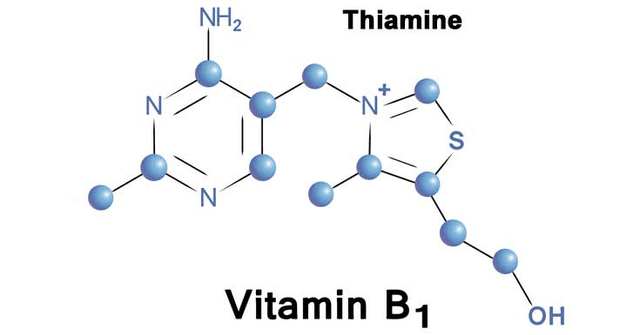
High Dose Thiamine Basic Guide: Principles & guidelines of this therapy What is thiamine? Thiamine (aka vitamin B1) is an essential water-soluble vitamin that plays a crucial role in how cells make energy. It is also very important for how nerves send messages throughout the body, and how the brain makes specific neurochemicals. It is found in a varierty of foods in low amounts: meats, organs, legumes, whole grains What does thiamine do? what does a deficiency look like? It is a key cofactor for enzymes involved in converting carbohydrates/fats/proteins into ATP, the body's primary energy source. Thiamine is especially needed for production of the neurotransmitter acetylcholine. It is therefore extremely important for the autonomic nervous system, and maintaining the balance between sympathetic and parasympathetic modes. From a conventional standpoint, a severe deficiency is known to affect the brain, heart, peripheral nerves, and gut. However, a mild deficiency can lead to a wide variety of NON SPECIFIC symptoms, which vary from person to person: Fatigue, brain fog, nerve pain, muscle pain, insomnia, anxiety, restlessness, autonomic nervous system problems/dysautonomia (blood pressure imbalances, vertigo, circulatio problems, heart rate problems, body temperature dysregulation), SIBO, stomach acidity imbalances, constipation, sometimes diahrrea, intestinal permeabilty and any number of function gut disorders. What causes a deficiency There are many potential causes. Thiamine status depends on carbohydrate intake, meaning the more carbs/sugar someone consumes, the greater demand for thiamine. -High intake of refined carbohydrate/refined foods - Alcohol destroys thiamine - Tannins (not caffeine) in tea/coffee inactivate thiamine - Medications: Metronidazole/flagyl, metformin, diuretics, omeprazole - Sulfites destroy thiamine - Chronic gut conditions which involve nutrient malabsorption/gut inflammation - Any state of prolonged physical stress (excessive exercise, critical illness, hyperthyroid, etc) In short, there are numerous things which can lead to/trigger a deficiency. A classical deficiency can be fairly straightforward to treat, but can take several months (depending on severity of the deficiency) However, there are also many individuals who don't display the risk factors, but respond to high-doses of thiamine. Here is where we will discuss the concept of "functional" or "localized" deficiency What is a “Functional” or "Localized" deficiency? This occurs in people who have normal systemic levels of thiamine in their body. However, certain regions of the body can experience a localized deficiency. For example, in neurodegenerative diseases, the research suggests localized "deficiency" in the brain. Without going into the mechanistic details, this can occur for various reasons, and can either be due to problems with transporting thiamine into the brain and into the cells. Or it can be related to problems with enzymes in cells which use thiamine. It can occur in the heart, the brain, the gut, etc. In this scenario, taking normal doses of thiamine is not enough. For people to see improvements in their condition, they generally require anywhere from 300-2000x the RDA (300mg to 2000mg, depending on the form of thiamine used) Here is where blood testing/functional testing becomes useless, because it doesn't measure what is going on at the organ/cell level of the affected area. Are tests useful? In general, no. They reflect recent intake for the most part. Even specialized tests like eTKA does not reflect what is occuring at the organ-tissue level (see above paragraph) Basic thiamine protocol Simple principles to follow: - Pick a form of thiamine - A B complex - A form of magnesium - An electrolyte supplement or additional potassium (either in supplement, or as coconut water) Different forms of thiamine: Thiamine HCL/mononitrate - Cheap but not well absorbed. Can be useful in high doses above 500mg Benfotiamine - well absorbed and gets into brain, good for peripheral neuropathy, diabetes, body pain, fatigue, alzheimers. Usually dosed between 150-2100mg TTFD (thiamine tetrahydrofurfuryl disulfide) - well absorbed and gets into brain - best for gut issues of any kind, POTS/dysautonomia and mood issues. Also good for fatigue, and neuropathy. Contains sulfur, so can trigger unwanted symptoms in some people. Molybdenum often helps this. Usually dosed between 100-500mg Basic Protocol - Start low and go slow with whichever form of B1 (think 10-50mg). Take B complex, magnesium and potassium source. - Gradually increase dose of thiamine over the space of days/weeks. - Watch for changes in symptoms. As increasing the dose, symptoms can get temporarily worse (called the paradoxical effect). If symptoms worsen, stay at current dose until they return to baseline. - When symptoms return to baseline, work on increasing dose again. Which brands to use? It doesn't actually matter which brand you use. I formulate supplements specifically for the purpose of "high dose thiamine" protocols, which are sold by my company Objective Nutrients - https://t.co/uUoxHlg6Rh However, I repeat: you can use whichever brand as long it contains what is stated on the label key points Sometimes people can take weeks/months to reach a dose that provides resolution in symptoms. Have patience. Thiamine is non-toxic. However, people often have a form which suits them best, and this should be experimented with. Each form does something slightly different. Mixing forms can be beneficial. This therapy likely only works in a MINORITY of people, although we don't know the exact number. If trialled for a few months and no change, it might not be for you. That's OK - it was worth a try! This is a BASIC guide and is a super condensed/simplified version of the full protocols in the proper guide. However, for most, it should work. That said, for people with complex health conditions, they often need to juggle some other things. Diet, other supplements, other therapies etc. There is complexity, and way beyond the scope of this introductory post. For that, i would recommend my PDF guide here: Thiamine Deficiency Protocols & Addressing Nutrient Interactions - https://t.co/nUdlGtdQeF Conclusion Hopefully this post provides you with enough information to get started. It should not be overly complex, and is quite simple for the majority of people