🧵 View Thread
🧵 Thread (32 tweets)

"the first person who will live forever has already been born" https://t.co/8nyTGkgLji
@GENIC0N That was the first thing I added to my trello back in 2014 when I started figuring out how to solve food.https://t.co/NSpS04657G
@GENIC0N I have another fun quote by that guy:"Rapamycin — unlike metformin — has some pretty severe side effect" https://t.co/mJHRufWcVF


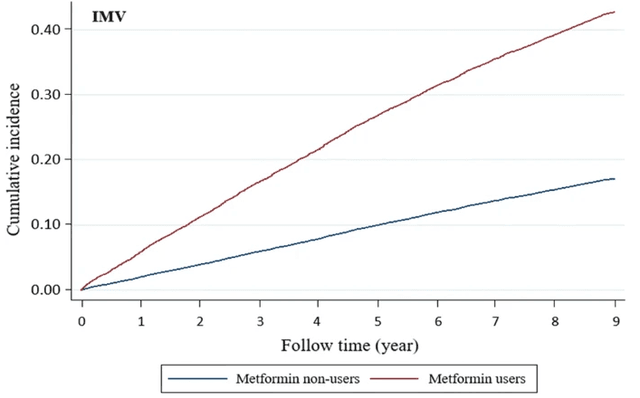
@GENIC0N Tyrosine!"Berberine and Sanguinarine both are isoquinoline derivatives and belong to protoberberine and benzophenanthridines, respectively. Tyrosine or phenylalanine is common precursor for the biosynthesis of both"https://t.co/21NA2dnPqd
@GENIC0N Berberine may be a byproduct of gut bacteria's impact on tyrosine metabolism :)This just came out talking about the role of gut bacteria and diet on tyrosine.https://t.co/r0saWcL6Yh
@GENIC0N This stuff may be part of a complex regulatory network that gut bacteria use to fight each other.There are also direct ties between berberine, gut bacteria and butyrate on a pathway related to Rheumatoid Arthitis.https://t.co/Y3NBIY8amyhttps://t.co/R6z8SVQlTk
@GENIC0N Which is connects Metformin to Berberine...https://t.co/tbLMWHISAM
@GENIC0N Rage against the industrial food complex machine.https://t.co/JWV5U99A4o
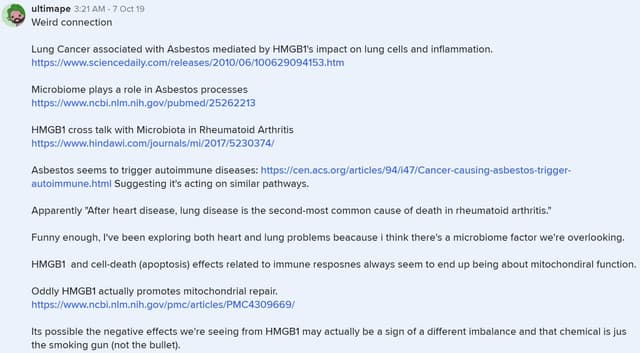
@GENIC0N Recreating metfromin, rapamycin, and berberine via gut bacteria because I think too much about what farts might taste like...https://t.co/ipk7DLEAKt
@GENIC0N I bet if you meditate really really hard.... you can taste the berberine while you poop.https://t.co/MQQZVZeLBv
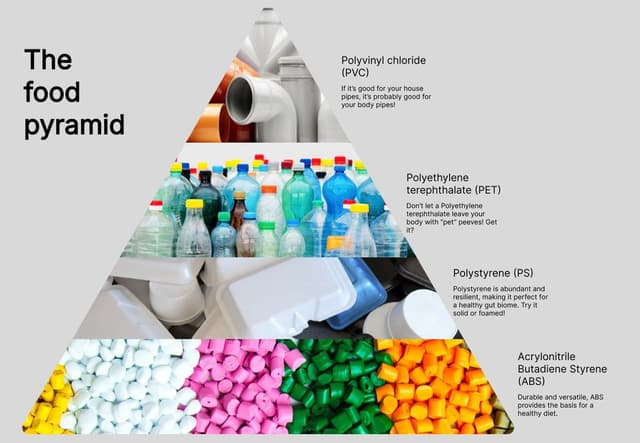
@GENIC0N New food pyramid just dropped.https://t.co/ti1fMq6INk
@GENIC0N I never started.https://t.co/ymV6Z7Fql9
On September 28th, I decided to stop rapamycin, ending almost 5 years of experimentation with this molecule for its longevity potential. I have tested various rapamycin protocols including weekly (5, 6, and 10 mg dose schedules), biweekly (13 mg) and alternating weekly (6/13mg) to optimize rejuvenation and limit side effects. Despite the immense potential from pre-clinical trials, my team and I came to the conclusion that the benefits of lifelong dosing of Rapamycin do not justify the hefty side-effects (intermittent skin/soft tissue infections, lipid abnormalities, glucose elevations, and increased resting heart rate). With no other underlying causes identified, we suspected Rapamycin, and since dosage adjustments had no effect, we decided to discontinue it entirely. Preclinical and clinical research has indicated that prolonged rapamycin use can disrupt lipid metabolism and profiles [1], as well as induce insulin and glucose intolerance [2] as well as pancreatic Beta-cells toxicity [3]. Despite anecdotal evidence of rapamycin slowing down tumor growth, its effect in inhibiting natural killer cells [4] do raise concern for anti-cancer immune surveillance and cancer risk in the longer run. Additionally, on October 27th, a new pre-print [5] indicated that Rapamycin was one of a handful of supposed longevity interventions to cause an increase/acceleration of aging in humans across 16 epigenetic aging clocks. This type of evaluation is the first of its kind, as most longevity interventions up to date have been tested against one or two aging clocks, leading to invisible biases and potential intended “cherry picking” of favorable clocks for the tested interventions. Longevity research around these experimental compounds is constantly evolving, necessitating ongoing, close observation of the research and my biomarkers which my team and I do constantly. Sources: [1] https://t.co/clXah1mOuc [2]https://t.co/mSlnpOYJRg. [3]https://t.co/05ljueNWOM [4]https://t.co/NIdYwzEilk.
@GENIC0N What could he mean by this? https://t.co/SxaAPGnzt9
@GENIC0N SIRT1 and AMPK, in my anus? https://t.co/jXaMGyLdJM
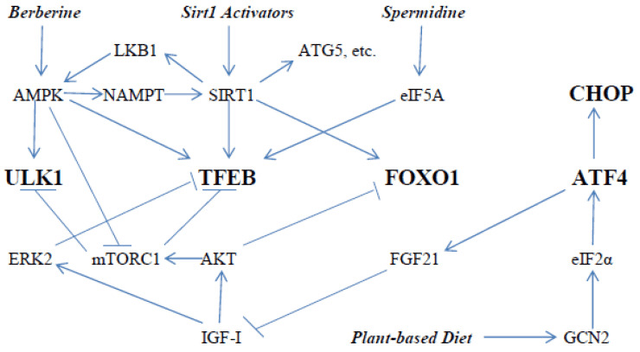
@GENIC0N B..b... Based? https://t.co/EVUiv9pUd3

@GENIC0N Butter is yummy. https://t.co/HEH4zbs13l
@exfatloss This is the stuff that Ray Peat was a fan of in butter and supposedly helps neutralize the negative effects of PUFA https://t.co/EXUnr6MY13 Ironically he hated one of the best sources of microbes like this (dairy kefir) cuz he gut couldn't handle the lactate.
@GENIC0N Mahaha https://t.co/knUCn0siLf
@markeatsmeat @BioLayne Here in america, our butter is particularly bad. Our desire to cheap and fast means our butter isn't fermented anymore. Making your own cultured butter isn't fundamentally that hard, tho the churning process can be a chore without some machinery. https://t.co/xQrMddNJIR
@GENIC0N "You'll never believe what 2001's Starchild looks like now." https://t.co/nQGkPVvfek
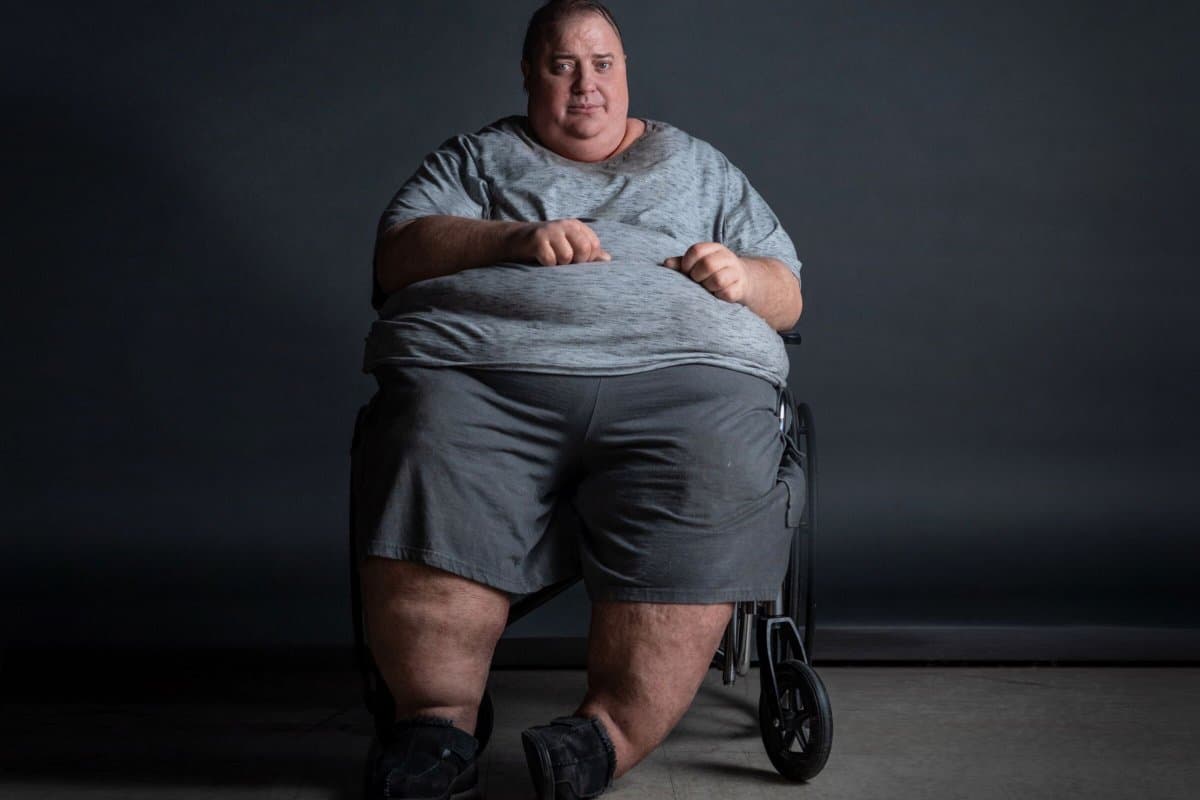
@ultimape @GENIC0N On it https://t.co/3CeWX1TLIA
@market_death @GENIC0N I will never say no to a mcdonald's burger.https://t.co/fBDC1w7IHA
@market_death @GENIC0N haha, that's a cursed tweet https://t.co/l82YPB2mJC

@market_death @GENIC0N Hamburger ice cream sounds tasty.https://t.co/Ol8RhpvMSv